Batteries
Is a solar battery worth it in 2026?
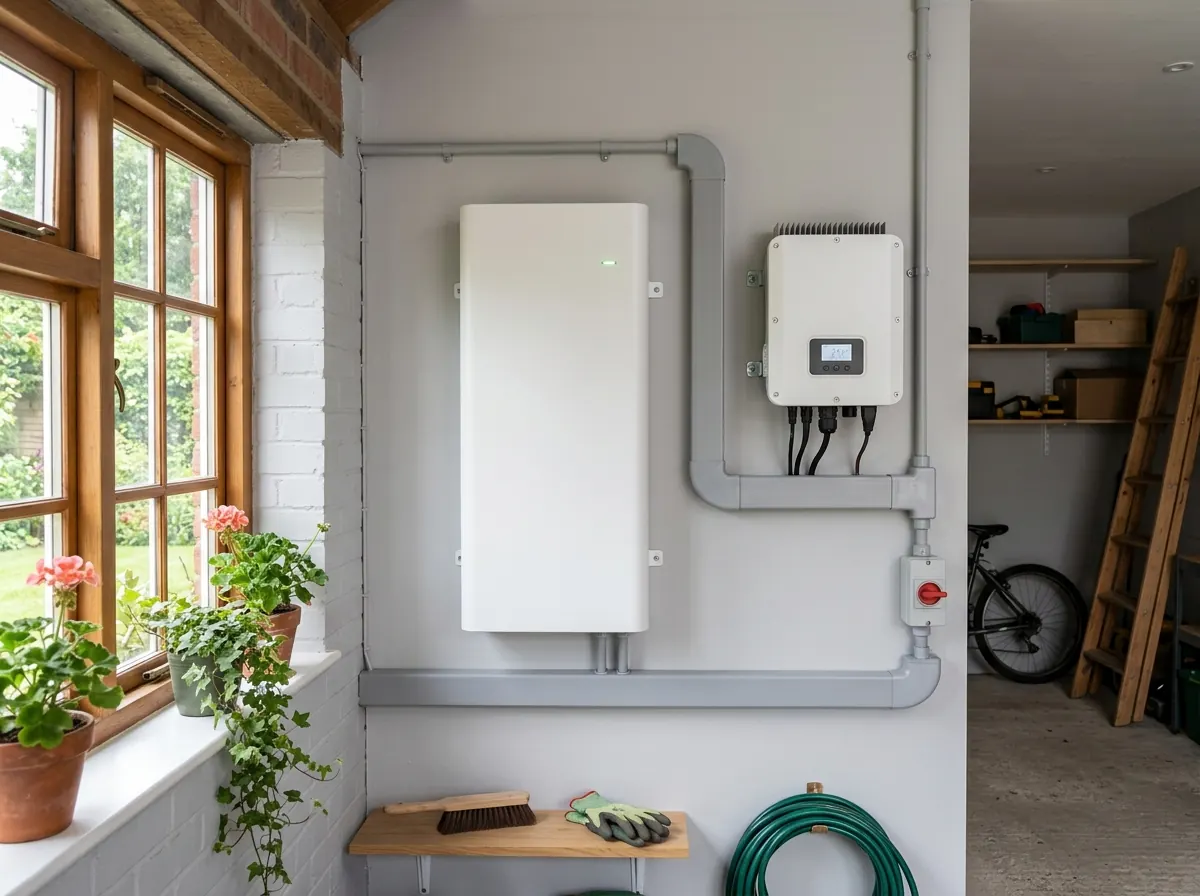
A solar battery is often worth it if you are out during the day and use most electricity in the evening: it can raise the share of your solar power you use from about 30–50% to 70–90%. A 4–5kWh battery typically costs £3,000–£5,000, and batteries have 0% VAT until 31 March 2027.
Last checked October 2026 · 5 min read
0% VAT on solar ends 31 March 2027. That's under six months away, and it's due to go back to 5% after.
What the VAT change means for youA solar battery is usually worth it if most of your electricity is used in the evening. Without a battery, a typical home uses about 30–50% of the power its panels make. With one, that rises to about 70–90% (Stratford Energy). Whether that pays off depends on your habits and the price.
How much does a solar battery cost?
A 4–5kWh battery typically costs £3,000–£5,000 installed (Renewable Energy Hub). Bigger or premium batteries cost more: Heatable puts most battery add-ons at £4,000–£8,000. A 4kW solar system with a battery usually costs about £10,000–£14,000 in total.
| Option | Typical cost |
|---|---|
| 4–5kWh battery | £3,000–£5,000 |
| Larger or premium battery | up to £8,000+ |
| 4kW solar + battery | £10,000–£14,000 |
A kWh (kilowatt hour) is a unit of electricity. Running a 1kW heater for one hour uses 1kWh.
How does a solar battery save money?
Panels make most of their power around midday. Many homes use most of theirs in the evening. Without a battery, spare daytime power goes to the grid, and you buy power back later.
The difference is large. Electricity costs 26.32p per kWh under the October–December 2026 price cap (Uswitch). Export payments under the Smart Export Guarantee are often far lower, from about 1–3p up to around 12–15p per kWh (Voltflow). A battery lets you keep that power and use it yourself.
How much more will I save with a battery?
One estimate for a three-bedroom home with a 4.5kW system shows annual savings rising from about £584 without a battery to about £995 with one (The GreenAge). Heatable gives a more modest range of about £585–£765 a year for 4kW with a battery. Your own saving depends on how much you use and when.
Does a battery shorten the payback time?
Estimates disagree. The GreenAge says solar with a battery pays back in 9–11 years for most UK homes. Heatable estimates 12–16 years for 4kW with a battery, compared with 10–13 years without. Be wary of any quote that promises a very short payback. Ask the installer to show you how they worked it out.
Who is a solar battery worth it for?
A battery is more likely to make sense if:
you are out at work during the day and use more power in the evening
your panels often make more than you use at midday
you want to use a cheaper overnight tariff to charge the battery
you are already paying for scaffolding and installation for panels, so adding a battery now saves a second visit
It is less likely to be worth it if someone is home all day running appliances, or your system is small and you already use most of what it makes.
What size battery do I need?
For most homes, a battery that roughly matches your evening use is enough. That is often in the 4–5kWh range for a typical home with a 4kW system, but it varies a lot.
A battery much bigger than your spare daytime solar will rarely fill up in winter. A good installer will look at your bills, or smart meter data, before suggesting a size.
Will a solar battery keep my lights on in a power cut?
Not automatically. Many home batteries switch off when the grid goes down, for safety. Some systems offer “backup” or “emergency power” as an extra, often for a few chosen circuits only. If this matters to you, perhaps because you live somewhere rural where power cuts happen, ask each installer directly.
Can I charge a battery from the grid overnight?
Yes, most can. Some energy tariffs offer cheaper electricity at night. A battery can charge then and power your home in the morning, which helps in winter when the panels make less.
Can I add a battery to my existing solar panels?
Yes. Since 1 February 2024, a battery added to an existing solar system qualifies for 0% VAT, the same as a new installation (GOV.UK). That rate is due to rise to 5% from 1 April 2027. If your panels are a few years old, an installer will check whether your inverter can work with a battery or needs changing.
Already have panels? A battery fitted before 31 March 2027 has 0% VAT. On a £4,000 battery, 5% VAT afterwards would add about £200.
How long do solar batteries last?
Around 12 years is typical, so you may need to replace a battery during the life of your panels (The Eco Experts). Ask each installer about the warranty length and what it covers.
When you compare batteries, look at the usable capacity rather than the headline size. Usable capacity is how much stored power you can actually use, and it is the figure that matters for savings.
Can I get a grant for a solar battery?
Only in limited cases. The Warm Homes: Local Grant can fund a battery for eligible lower-income homes, but only when it is fitted alongside solar panels (GOV.UK). See our Nottinghamshire grants guide.
To compare battery and no-battery prices for your home, ask installers to quote both. We can pass your enquiry to up to three MCS-certified local installers, free and with no obligation. See also our solar cost guide.
Quick answers
The short version, if you're in a hurry.
Is a solar battery worth it?
Often, if you use most of your electricity in the evening. A battery can raise the share of your solar power you use from about 30–50% to 70–90%.
How much does a solar battery cost in 2026?
A 4–5kWh battery typically costs £3,000 to £5,000 installed. Larger or premium batteries can cost £8,000 or more.
Can I add a battery to solar panels I already have?
Yes. A battery retrofitted to an existing system qualifies for 0% VAT until 31 March 2027, but an installer needs to check your inverter is compatible.
How long does a solar battery last?
Around 12 years is typical, which means you may need to replace it during the life of your panels. Check the warranty before you buy.
Does a battery make solar pay back faster?
Estimates vary, from about 9–11 years to 12–16 years with a battery. Ask installers to show you their working for your home.
Can I get a grant for a battery?
Only in limited cases. The Warm Homes: Local Grant can include a battery for eligible lower-income homes when it is fitted alongside solar panels.
Solar in your part of Nottinghamshire
Local guides with council rules, grants and the villages each one covers.
Solar panels in Retford
Bassetlaw District Council · DN22
Read the Retford guideSolar panels in Worksop
Bassetlaw District Council · S80, S81
Read the Worksop guideSolar panels in Newark
Newark and Sherwood District Council · NG24, NG23
Read the Newark guideSolar panels in Mansfield
Mansfield District Council · NG18, NG19, NG20, NG21
Read the Mansfield guideMore guides
Sources
Figures last checked October 2026.
- Stratford Energy – solar generation and payback
- Renewable Energy Hub – solar panels and battery prices
- Heatable – solar panel costs
- Uswitch – October 2026 energy price cap
- Voltflow – solar panel grants UK 2026
- The GreenAge – Solar panels in 2026: are they worth it?
- GOV.UK – VAT on energy-saving materials (Notice 708/6)
- The Eco Experts – solar panel costs (MCS data)
- GOV.UK – Warm Homes: Local Grant policy guidance (July 2026)