Savings
Are solar panels worth it in the UK in 2026?
For most homes with a south, east or west-facing roof and little shade, yes. A 4kW system costs about £7,300–£7,500 installed, saves about £400–£650 a year on bills before export payments, and typically pays for itself in 9–14 years. It is less likely to be worth it if your roof faces north, is heavily shaded, or you plan to move soon.
Free · no obligation · about a minute · Quick answers
Last updated
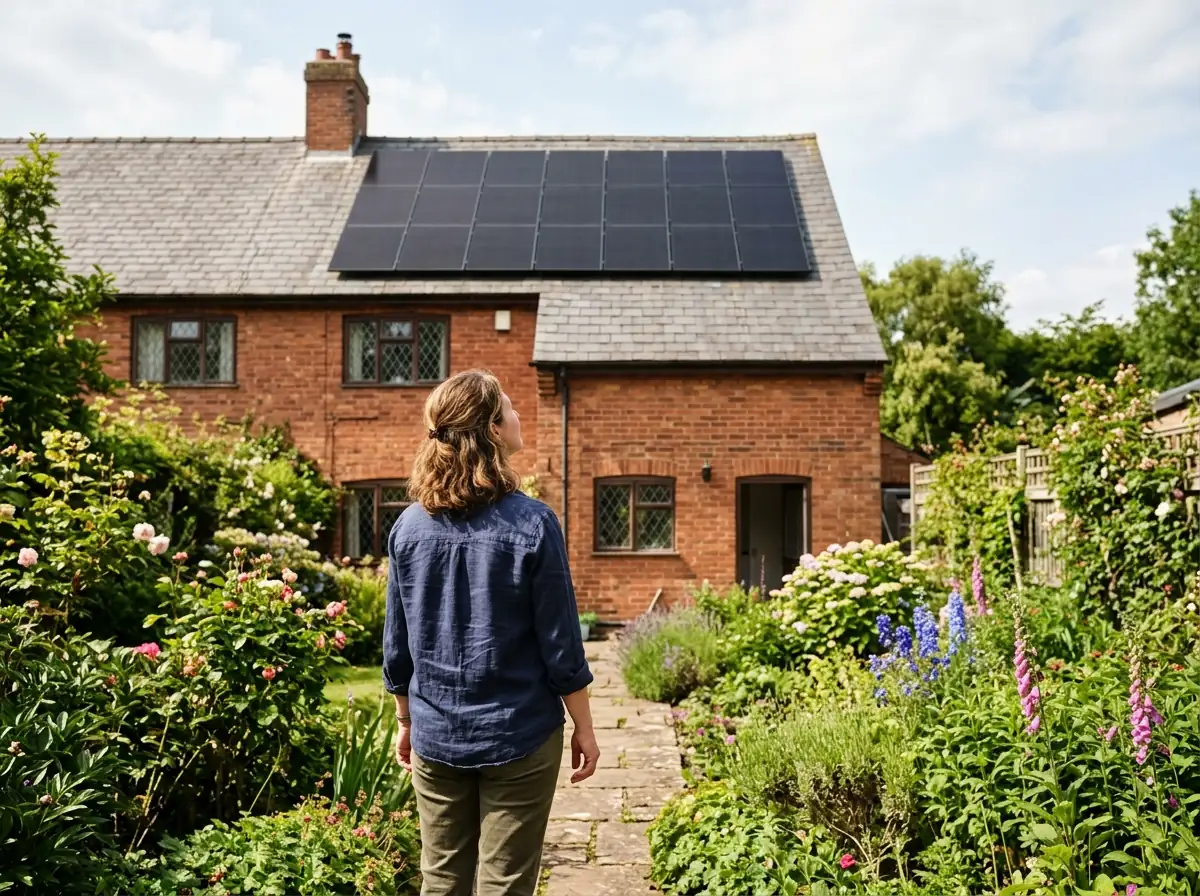
0% VAT on solar ends 31 March 2027. That's under six months away, and it's due to go back to 5% after.
What the VAT change means for youAre solar panels worth it in the UK in 2026?
For most homeowners with a suitable roof, yes: a typical system pays for itself in 9–14 years and panels last 25 years or more. That leaves many years of cheaper power after payback. The Energy Saving Trust puts payback at about 9 years in London and 10–11 years in Manchester, with export payments, at July 2026 prices.
Three things make 2026 a good time to look. Electricity costs 26.32p per kWh under the October to December 2026 price cap, according to Uswitch. Home solar and batteries have 0% VAT until 31 March 2027, according to GOV.UK, then it is due to return to 5%, which would add about £370 to a £7,400 system. And you can be paid for spare power through the Smart Export Guarantee. Whether it is worth it for you depends on your roof, your usage and how long you will stay.
Who are solar panels worth it for?
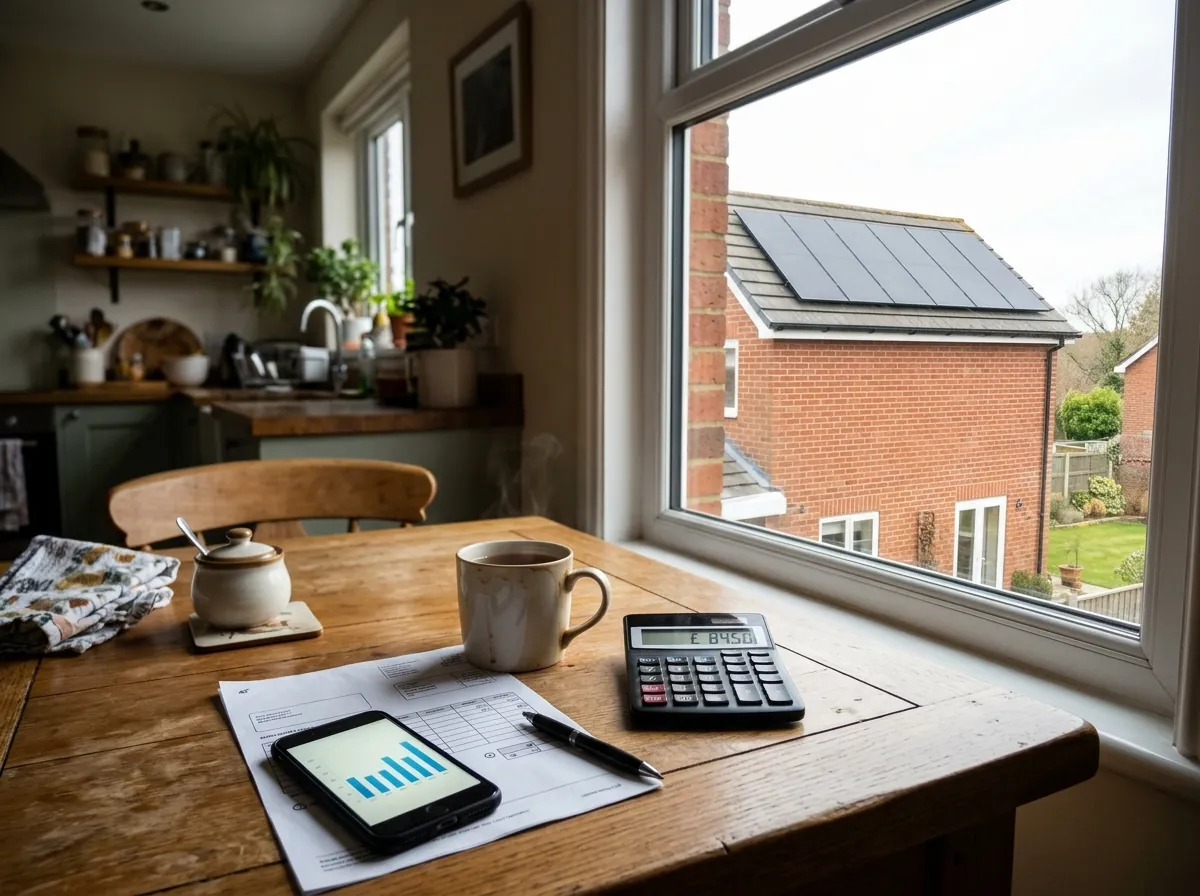
Solar panels are most worth it for homeowners with an unshaded south, east or west-facing roof who plan to stay at least several years. A south-facing roof performs best. East or west-facing roofs typically make about 15–20% less, says the Energy Saving Trust, but can still pay back well. Your installer should check the roof's direction, angle and shading at the survey.
They suit you even more if someone is home in the day, or you can run appliances then. They also suit homes with high electricity use, such as those with a heat pump or an electric car. The more of your own solar power you use, the faster the system pays back.
If your roof needs work soon, it is usually cheaper to fix it before the panels go on. Taking panels off and putting them back later adds cost. Ask an installer to check the condition of the roof during the survey. Panels can last 25 years or more, so the roof under them should be in good shape.
Who are solar panels not worth it for?
Solar panels are often not worth it if your roof faces north, is heavily shaded, or you expect to move within a few years. The Energy Saving Trust does not recommend north-facing roofs. Shade from trees, chimneys or nearby buildings also cuts output, though optimisers can limit the impact. A partly shaded roof can still work if the main area gets sun.
If you plan to move soon, you may not stay long enough to earn back the cost through lower bills. The panels stay with the house, so any return then depends on whether buyers value them. Very low electricity users also gain less, because more of their power is exported for a lower rate.
Listed buildings and conservation areas can have extra planning rules. Most roof panels are permitted development if they stand no more than 200mm proud and stay below the ridge, but check with your council first if your home is protected. A small roof with little space may not fit enough panels to make it worthwhile.
How long do solar panels take to pay for themselves?
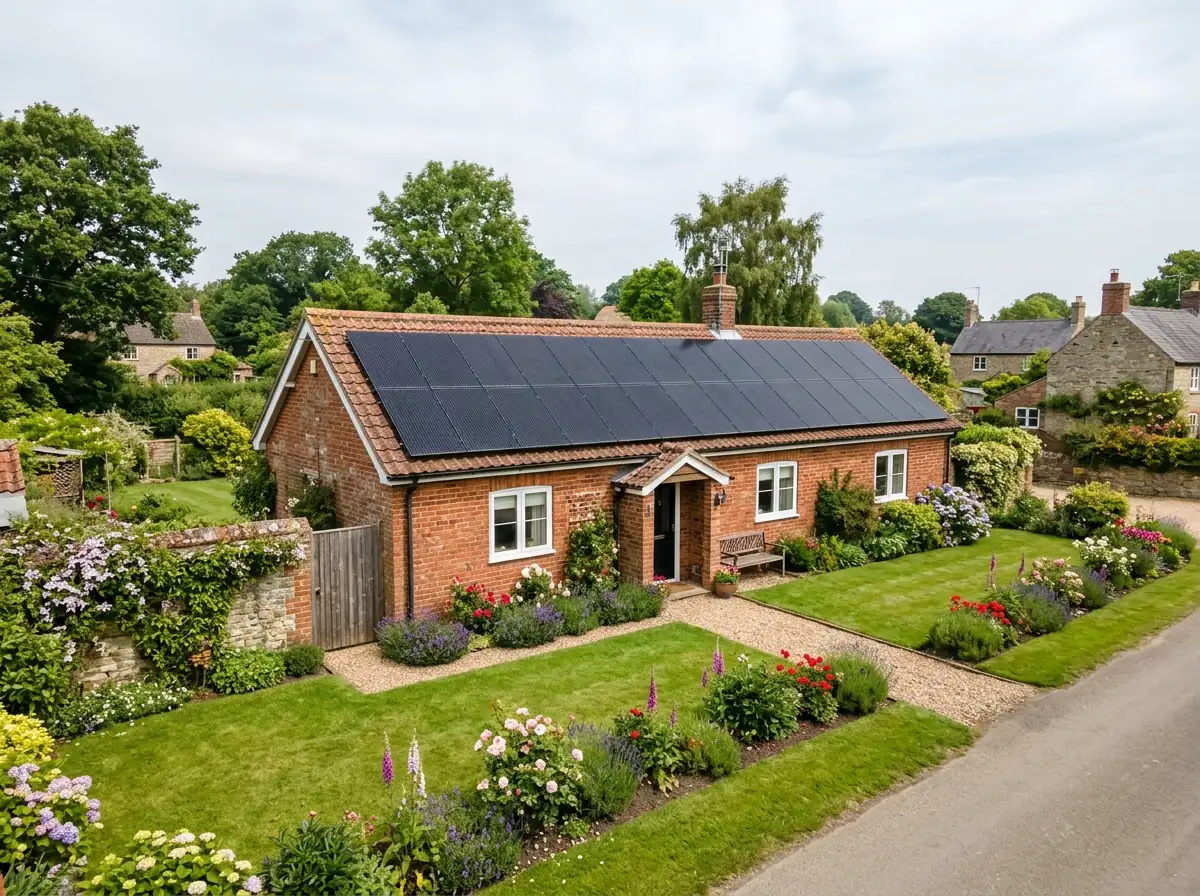
A typical 4kW system takes about 9–14 years to pay for itself. Here is a worked example. A 4kW south-facing system costs about £7,300–£7,500 installed, according to The Eco Experts using MCS data, and makes about 3,400 kWh a year, says Stratford Energy. Say it costs £7,400, the middle of that range.
A study of 302 UK homes by the University of Oxford found they used about 45% of their solar power. That is about 1,530 kWh. At 26.32p per kWh, it saves about £400 a year. The other 1,870 kWh exported at about 12p, the typical SEG rate the Energy Saving Trust quotes, earns about £225 more.
That is about £625 a year in total, so £7,400 divided by £625 gives a payback of just under 12 years. If you use more of your own power, or prices rise, payback is faster. If export rates are low or you use less in the day, it is slower. Ask each installer to show their own sums for your home.
How much do solar panels save a year?
A 4kW system typically saves about £400–£650 a year on bills, before export payments. The exact figure depends on how much of your solar power you use yourself. Without a battery, a typical home uses about 30–50% of what its panels make, according to Stratford Energy. The rest goes to the grid.
Each unit you use yourself saves the full price you would have paid, now 26.32p. Each unit you export earns much less. SEG rates are often about 5–15p per kWh. The Energy Saving Trust says buying power costs more than twice what exporting earns, so using your own power is worth far more. Under Ofgem rules, suppliers with at least 150,000 home customers must offer an SEG tariff above zero. You can pick any SEG supplier, so shop around, and you usually need an MCS-certified installation.
Easy ways to save more include running the washing machine and dishwasher at midday, using timers, and charging an electric car at home in daylight. Savings are lower in winter, because panels make much less power then. Most of a year's savings come between spring and early autumn, so judge your system over a full year, not one month.
Is a solar battery worth adding?
A battery raises your savings but also the cost, so it does not always shorten payback. A battery can lift the share of solar power you use from about 30–50% to about 70–90%, says Stratford Energy. A 4–5kWh battery typically adds £3,000–£5,000, according to Renewable Energy Hub, taking a full system to about £10,000–£14,000.
Estimates of the gain vary. One example for a 4.5kW system shows yearly savings rising from about £584 without a battery to about £995 with one, according to The GreenAge. It puts payback at 9–11 years for most homes. Heatable is more cautious, at 12–16 years with a battery against 10–13 without.
A battery is more likely to pay off if you are out all day and use most power in the evening. It also helps if you use a cheap overnight tariff, because most batteries can charge from the grid at night. Ask for prices with and without a battery so you can compare.
Do solar panels add value to your home?
Research suggests they can, but the size of the effect varies a lot between studies. Researchers at Swansea and Birmingham universities found homes with solar were listed for sale at about 6.1–7.1% more on average, using Zoopla data on nearly 1.5 million UK properties, reports the Urban Big Data Centre. That was based on asking prices, and it shows a link rather than proof that solar caused it.
Other work finds a smaller effect. A 2021 study by Solar Energy UK with the University of Cambridge put the uplift at 0.9–2%, according to Sunsave. Solar can also improve a home's EPC rating, which some buyers and lenders look at. Treat any single figure for added value with caution, because no study can say exactly what your own home would gain.
Ownership matters. Panels you own outright are simple. A roof lease, where a company owns the panels on your roof, can put off some buyers and lenders. Check with your lender, solicitor and home insurer before you sign, and tell your insurer once the panels are fitted. Keep your MCS certificate and warranties safe, ready for any future sale.
What are the pros and cons of solar panels?
The main pros are lower bills, export income, low running costs and lower carbon, while the main cons are the upfront cost, low winter output and the need to replace the inverter. Panels last 25 years or more and need little upkeep, says the Energy Saving Trust. Rain cleans most roof panels on its own.
On the downside, you need about £7,400 upfront for a typical system, or £10,000–£14,000 with a battery. Panels make far less in winter and none at night. The Energy Saving Trust says inverters typically need replacing after about 12 years, which is a cost to plan for. Scaffolding, roof condition and any extra wiring can also push the price up.
On the environment, panels repay the energy used to make them in about a year in northern Europe, says Fraunhofer ISE. And savings are not guaranteed: they depend on energy prices, your habits and export rates. Get quotes from at least three MCS-certified installers and compare their savings figures carefully.
Quick answers
The short version, if you're in a hurry.
Are solar panels worth it in the UK?
For most homes with an unshaded south, east or west-facing roof, yes. A typical 4kW system pays back in about 9–14 years and lasts 25 years or more.
How long is the payback period for solar panels?
Usually about 9–14 years. The Energy Saving Trust puts it at about 9 years in London and 10–11 years in Manchester, with export payments, at July 2026 prices.
How much do solar panels save per year?
A 4kW system typically saves about £400–£650 a year on bills before export payments. Export payments add more, depending on your SEG rate.
Are solar panels worth it without a battery?
Yes, for many homes. Without a battery you use about 30–50% of your solar power and export the rest. A battery raises savings but adds £3,000–£5,000.
Are solar panels worth it if I am moving soon?
Often not, because you may not stay long enough to recover the cost. The panels stay with the house, and studies differ on how much value they add.
Is it worth getting solar panels before the VAT change?
Solar has 0% VAT until 31 March 2027, then it is due to return to 5%. On a £7,400 system, that would add about £370.
Are solar panels worth it on a north-facing roof?
Usually not. The Energy Saving Trust does not recommend north-facing roofs. East or west-facing roofs make about 15–20% less than south-facing ones but can still work well.
Do solar panels increase house value?
Studies suggest they can. One found homes with solar were listed about 6.1–7.1% higher; another found 0.9–2%. Check with your lender and solicitor about any roof lease.
Related guides
How much do solar panels cost in Nottinghamshire in 2026?
Read the guideGuideSolar panel finance: should you buy solar panels on finance?
Read the guideSolar in your part of Nottinghamshire
See all areas we cover.
Sources
Last updated 25 October 2026.
- Solar panels advice – Energy Saving Trust
- Solar generation and payback – Stratford Energy
- Solar panel costs (MCS data) – The Eco Experts
- October 2026 energy price cap – Uswitch
- Solar PV self-consumption in the UK residential sector – University of Oxford (INET)
- Solar panels in 2026: are they worth it? – The GreenAge
- Solar panel costs – Heatable
- Solar panels and battery prices – Renewable Energy Hub
- VAT on energy-saving materials (Notice 708/6) – GOV.UK
- Smart Export Guarantee guidance for generators – Ofgem
- How do solar panels affect property prices in the UK? – Urban Big Data Centre
- Do solar panels increase the value of your home? – Sunsave
- Photovoltaics Report (July 2026) – Fraunhofer ISE