Environment
Are solar panels good for the environment?
Yes, on balance. A typical 4kW home system makes about 3,400 kWh a year, which avoids roughly 440–600kg of CO2 on today's UK grid. Panels repay the energy used to make them in about a year, though repaying their carbon takes longer now the grid is cleaner. Making panels has real costs, and old panels must be recycled under UK law.
Free · no obligation · about a minute · Quick answers
Last updated
0% VAT on solar ends 31 March 2027. That's under six months away, and it's due to go back to 5% after.
What the VAT change means for youAre solar panels good for the environment?
Yes, over their lifetime solar panels cause far less greenhouse gas than the fossil fuels they replace. The IPCC puts the median lifecycle emissions of rooftop solar at about 41g of CO2 per kWh, against 490g for gas power and 820g for coal, as summarised on Wikipedia. That figure includes making, shipping and installing the panels.
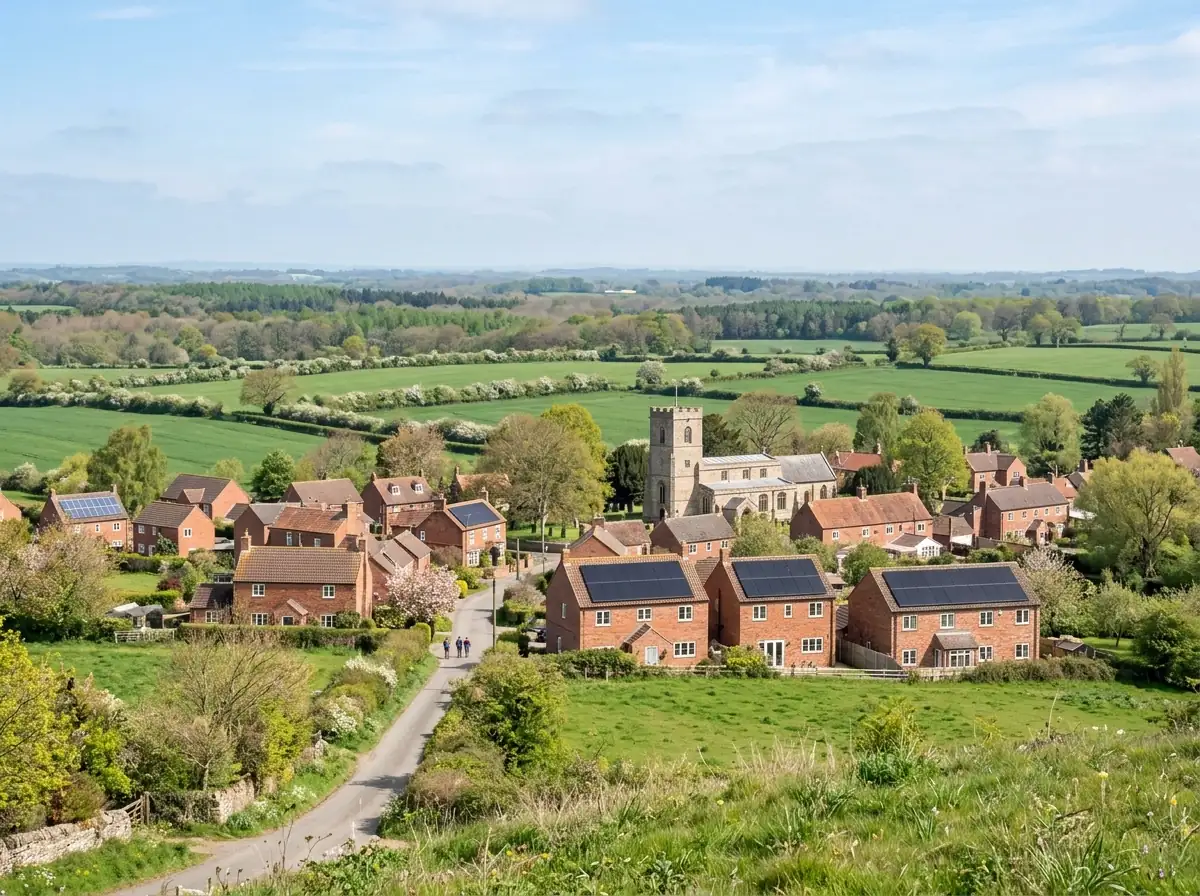
Once fitted, panels make no emissions, noise or fumes while they work. They sit on a roof that is already there, so they need no extra land. The main environmental costs come at the start, in the factory, and at the end, when old panels must be recycled. Both are covered honestly below. The UK is relying on solar too: the government's Solar Roadmap aims for 45–47GW of solar by 2030, and over 1.5 million UK homes already have rooftop panels, according to Government Business.
How much CO2 do solar panels save a year in the UK?
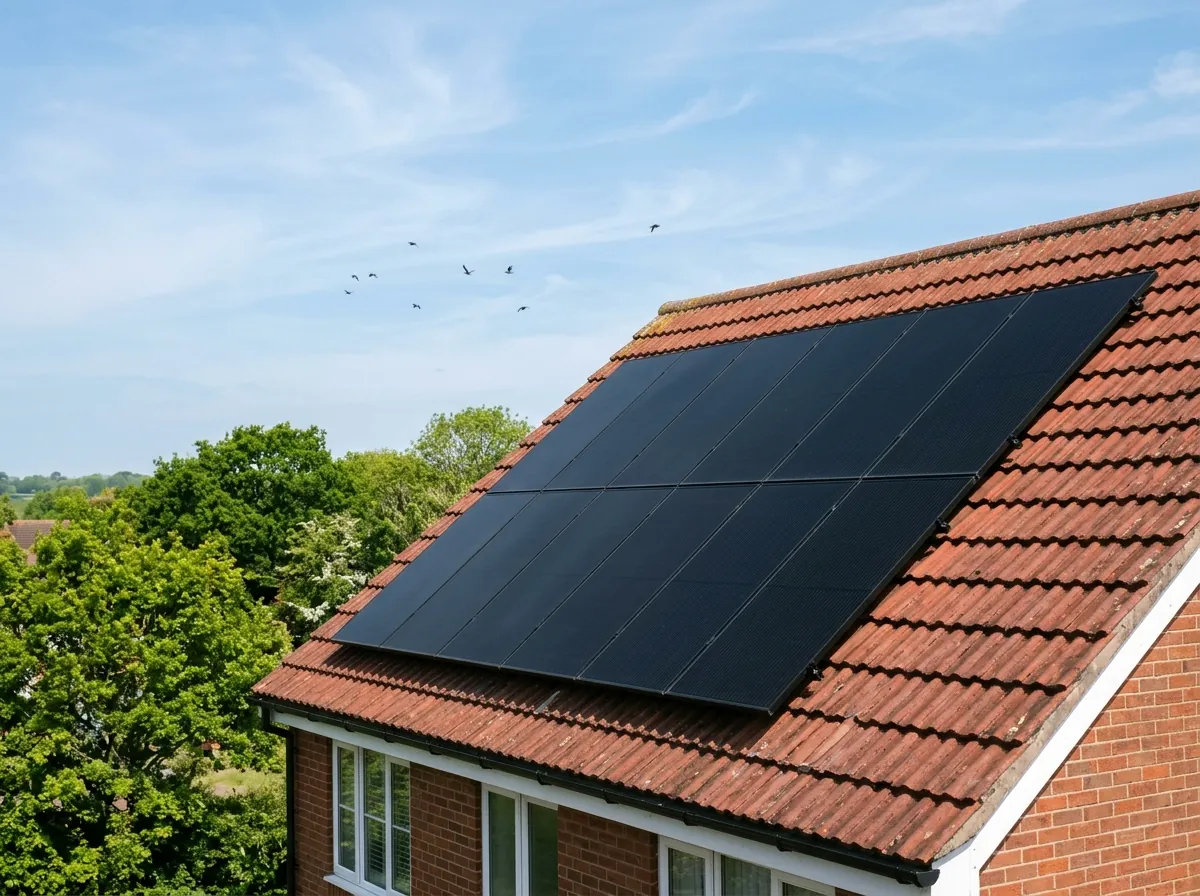
A 4kW home system saves roughly 440–600kg of CO2 a year on today's UK grid. That is a rough sum, not a promise. A 4kW south-facing system makes about 3,400 kWh a year, according to Stratford Energy. Great Britain's grid averaged about 129g of CO2 per kWh in 2025, according to Energy Dashboard, which uses National Grid data.
3,400 kWh multiplied by 129g gives about 440kg. Electricity Maps uses a wider measure that counts imports and the full life cycle of power stations. It puts 2025 at about 176g per kWh, which gives about 600kg. Your own figure depends on your roof, your system and when you use the power.
You may see bigger claims. The Energy Saving Trust says a typical home system could save around one tonne of carbon a year, depending on location. Older estimates often used a grid with far more coal and gas. As more wind and solar join the grid, each unit of home solar saves a little less CO2 than it used to, which is good news overall.
What is the carbon payback of solar panels?
Solar panels repay the energy used to make them in about a year, but repaying their carbon takes several years on today's clean UK grid. Fraunhofer ISE says panels made in Europe and fitted in northern Europe take about 1.1 years to pay back the energy that went into them.
Carbon payback depends on what your panels replace. Older UK guides quote 1–4 years, as Ethical Consumer notes. Those figures assumed a grid with much more coal and gas. An analysis by Hilson Moran of a roof array installed in 2025 found its embodied carbon was repaid about a third of the way through its first life cycle.
Here is a rough sum. The IEA PVPS puts a European home system at about 43g of CO2 per kWh over a 30-year life. Today's UK grid averages about 129g per kWh. So the start-up carbon is repaid in roughly a third of the panels' life, or about a decade. Against gas power alone, it would take only a few years.
What are the environmental downsides of making solar panels?
The biggest downside is the energy and materials used in the factory, mostly in China. Panels are mainly silicon, made from quartz using very high heat. Much of that work happens on coal-heavy grids, so panels carry a lot of embodied carbon before they ever reach your roof, says Ethical Consumer. This is why carbon payback takes years, not months.
There are human rights concerns too. Ethical Consumer cites Anti-Slavery International's estimate that the Uyghur Region of China makes about 35% of the world's polysilicon, a key panel material. It says there is a high risk that forced labour is linked to some panels sold in the UK. You cannot fix this alone, but you can ask each installer where the panels are made and whether the maker publishes a supply chain policy.
The picture is slowly improving. A 2016 study found that each doubling of world solar capacity cut the energy used to make panels by 12–13%, and their greenhouse gas emissions by 17–24%, according to Renewable Energy Hub. As factories get more efficient and grids get cleaner, new panels carry less carbon than older ones did.
Can solar panels be recycled in the UK?
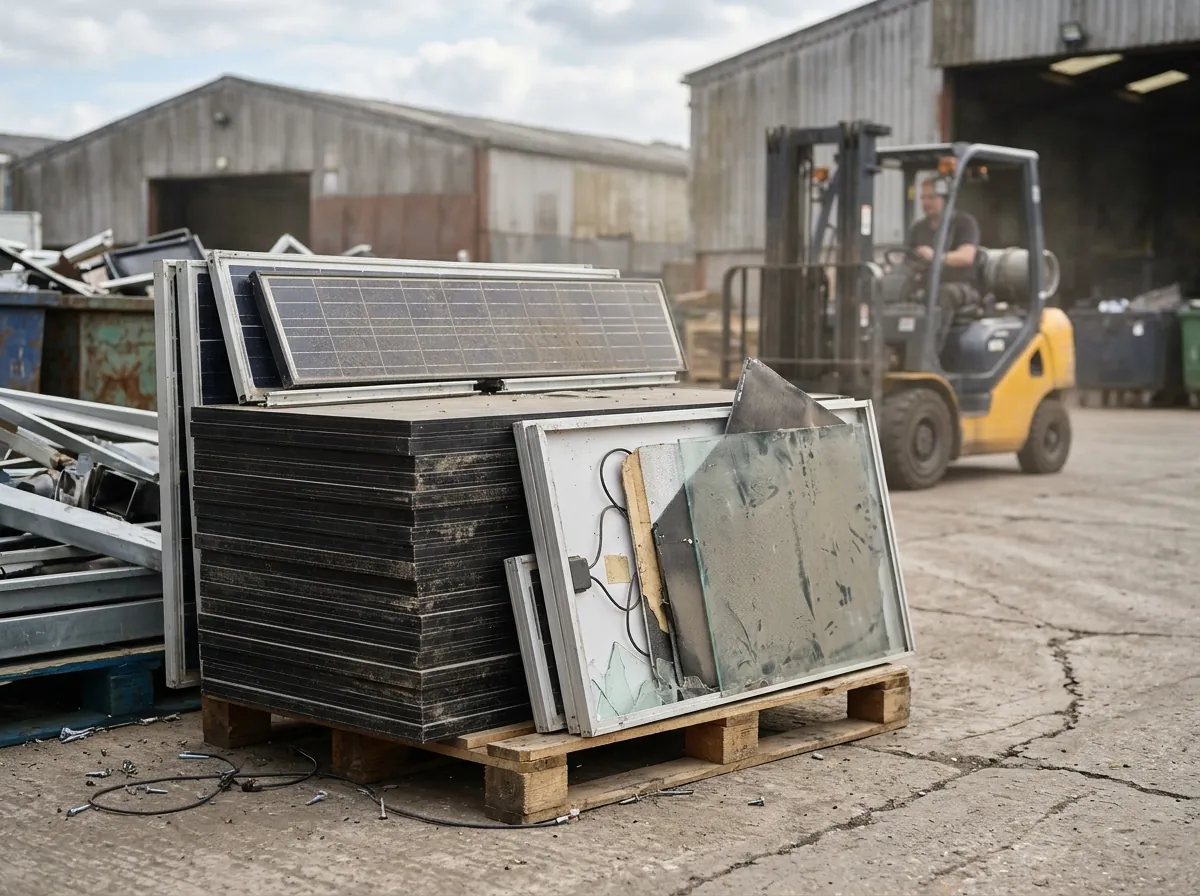
Yes. Solar panels count as electrical waste in the UK and must be recycled, not sent to landfill. The WEEE Regulations 2013 gave photovoltaic panels their own category, Category 14, as Recolight explains. The UK rules for panels took effect on 1 January 2014, says pv magazine. It is illegal to landfill them, says Ethical Consumer.
A panel is about 75% glass, 10% aluminium, 10% plastics and 5% silicon and trace metals, according to EvoEnergy. The glass and aluminium frame are the easiest parts to recover. Specialist firms aim to recover much more. One UK firm, CSG Recovery, said it targets around 96% of each panel (Lancashire Business View).
Recycling capacity is still growing, because few UK homes have needed to scrap panels yet. In April 2026 one large equipment distributor launched a panel recycling scheme for commercial sites, charging about £6–£7 a panel, with a service for homes planned for later, reported Solar Power Portal. More capacity will be needed as older systems reach the end of their life.
Who pays to recycle old solar panels?
The company that made or imported the panels pays, not you. Under producer responsibility rules, importers must join a compliance scheme and take financial responsibility for disposing of the panels they supply, says pv magazine. This covers panels bought after 13 August 2005, according to EvoEnergy. Older panels are treated as historic waste.
Homeowners are generally not charged these compliance costs, but you must use a proper disposal route, says Fuse Energy. Your local tip may not take panels, because they often need specialist handling. Check that any recycler is an Approved Authorised Treatment Facility, and ask for paperwork showing where the panels went.
When you get quotes, ask each installer what will happen to the panels at the end of their life. Ask which producer compliance scheme the panel maker belongs to. If panels are ever replaced under warranty, the installer should deal with the old ones properly. Keep these answers with your other solar paperwork.
What happens to old solar panels?
Old panels should be taken apart so the glass, aluminium, copper, silicon and silver can be reused. Panels usually last 25 years or more, according to the Energy Saving Trust. They slowly make a little less power each year as they age, but they do not suddenly stop working on a set date.
The big wave of UK panels reaching the end of life is still ahead. Many homes added small systems after 2010. A 2017 analysis in Circular Online expected the first major replacement wave from around 2030, with tens of millions of panels to handle in the years after. The sector has dealt with similar waste before, such as old fridges.
Inverters wear out sooner than panels. The Energy Saving Trust says they typically need replacing after about 12 years. They are electrical waste too, so they should also go through a proper recycling route. Ask your installer to take the old inverter away for recycling when they fit a new one, and budget for that cost.
Do solar panels take up land?
Rooftop panels take up no extra land at all, because they sit on a roof that is already there. That is one of their biggest environmental advantages over other power sources. Fields, hedges and gardens stay as they are, and the roof simply does a second job while still keeping the rain out.
Solar farms do use fields, but much less than people often think. Ground-mounted solar covered just under 0.1% of UK land in 2022, according to Carbon Brief. Even under government growth plans, it estimated solar farms would cover about 0.3% of UK land, roughly half the space taken up by golf courses.
If land use worries you, a home roof is the best place for panels. Most roof panels in England are permitted development. That means you usually do not need planning permission if they stand no more than 200mm proud of the roof and stay below the ridge. Listed buildings and conservation areas can have extra rules, so check first.
Quick answers
The short version, if you're in a hurry.
Are solar panels actually better for the environment?
Yes. Over their life, rooftop panels produce about 41g of CO2 per kWh, compared with about 490g for gas power, based on IPCC figures.
How long does it take for solar panels to offset their carbon footprint?
They repay their energy in about a year in northern Europe. Repaying their carbon takes longer on the UK's cleaner grid, roughly a decade by a rough sum using today's grid average, and much less against gas power.
How much CO2 does a 4kW solar system save?
Roughly 440–600kg a year. That is about 3,400 kWh a year multiplied by the 2025 UK grid average of 129–176g of CO2 per kWh, depending on how it is measured.
Can solar panels go to landfill in the UK?
No. Solar panels are electrical waste under the WEEE Regulations and must go to a proper treatment facility.
Do I have to pay to recycle my solar panels?
Usually not directly. Producers and importers must pay for collecting and recycling the panels they sell, but you must use a proper disposal route.
How long do solar panels last?
Usually 25 years or more, according to the Energy Saving Trust. Inverters typically need replacing after about 12 years.
Are solar panels toxic?
Standard silicon panels are mostly glass, aluminium, plastic and silicon. Some thin-film panels contain cadmium telluride, which may need handling as hazardous waste, so all panels should be recycled properly.
Is it ethical to buy solar panels?
There are concerns about forced labour in parts of the polysilicon supply chain. Ask installers where the panels are made and whether the maker has a published supply chain policy.
Related guides
How do solar panels work?
Read the guideGuideAre solar panels worth it in the UK in 2026?
Read the guideSolar in your part of Nottinghamshire
See all areas we cover.
Sources
Last updated 25 October 2026.
- 2025 Electricity Review – Energy Dashboard
- Electricity Grid Review 2025: Great Britain – Electricity Maps
- Photovoltaics Report (July 2026) – Fraunhofer ISE
- Life cycle assessment fact sheet 2022 – IEA PVPS Task 12
- Life-cycle greenhouse gas emissions of energy sources (IPCC 2014 figures) – Wikipedia
- To PV or not to PV – Hilson Moran
- Ethical solar panels shopping guide – Ethical Consumer
- Solar panels advice – Energy Saving Trust
- Solar panels carbon analysis – Renewable Energy Hub
- The Waste Electrical and Electronic Equipment Regulations 2013 – legislation.gov.uk
- Key changes to WEEE regulations – Recolight
- UK ratifies new WEEE regulations on PV recycling – pv magazine
- Recycling solar panels: what UK businesses need to know – EvoEnergy
- Solar panel recycling – Fuse Energy
- Segen launches solar panel recycling scheme – Solar Power Portal
- Blackburn site to begin recycling solar panels – Lancashire Business View
- End-of-life solar PV panels in the UK – Circular Online
- Factcheck: Is solar power a threat to UK farmland? – Carbon Brief
- Plan to deliver 45GW of solar power by 2030 – Government Business
- Solar generation and payback – Stratford Energy